
Cross Roller Bearing Preload and Lubrication Review
Send preload or clearance condition, starting torque notes, heat behavior, lubricant evidence, contamination risk, application, quantity, and timing so TFL Bearings can review the RFQ route.
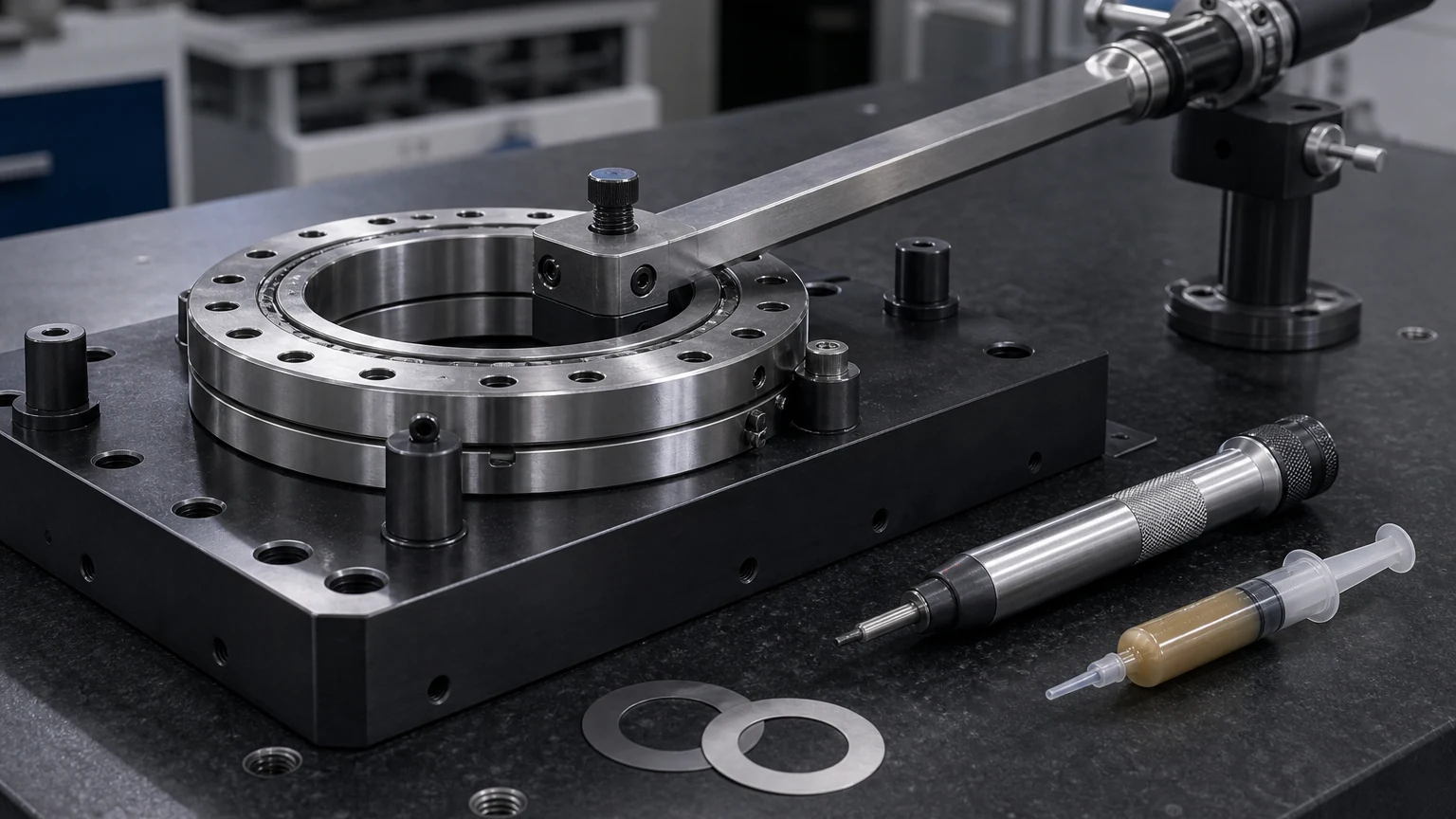
Preload and Lubrication Evidence Review
TFL Bearings reviews preload and lubrication together because stiffness, starting torque, heat, service life, and contamination risk are connected.
Clearance or preload state
State whether the bearing is clearance controlled, lightly preloaded, or matched to a defined preload requirement.
Starting and running torque
Torque notes help separate preload, mounting distortion, lubricant drag, and damage symptoms.
Grease, oil, and service condition
Lubricant type, amount, interval, contamination, and temperature can change review risk.
Evidence before quotation
Preload or lubrication concerns should arrive with model, dimensions, application, quantity, and timing.
Preload and Lubrication Checks Before RFQ
A preload or lubrication support request should show the condition, not just name the symptom.
Identify preload state
State clearance, preload class, measured torque, or original model suffix when available.
Check installation influence
Mounting face, clamping force, housing fit, and bolt tightening can change preload behavior.
Document lubricant evidence
Send grease or oil type, fill condition, interval, temperature, and contamination observations.
Connect application duty
Add speed, oscillation, duty cycle, load direction, heat behavior, quantity, and target timing.
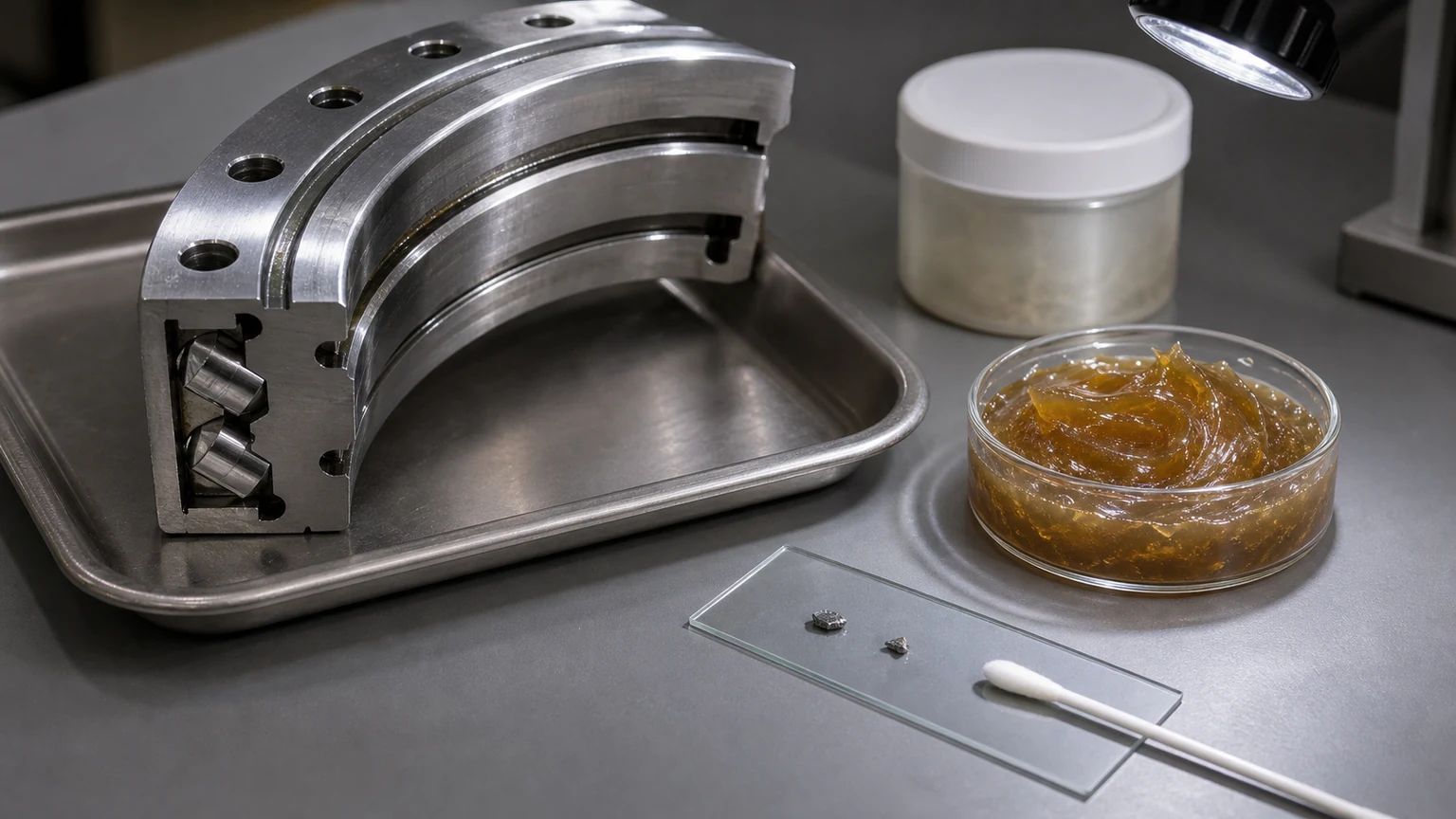
TFL Supply Chain Review Support
TFL Bearings acts as a bearing supply chain integrator, so model review can also cover sourcing route, cost-saving alternatives, inspection, documents, and export coordination after RFQ evidence is validated.
Pre-audited manufacturing resources
TFL Bearings can coordinate cross roller bearing options across reviewed China manufacturing resources when the RFQ includes model, drawing, quantity, and application evidence.
Cost-saving candidate review
For replacement or cross-reference work, TFL Bearings can review dimensional interchangeability, preload, accuracy, rigidity, mounting, and application limits before quotation.
BOM and shipment coordination
Mixed-model requests can be reviewed for one PO, combined shipment, inspection, export packaging, and document support when the order scope is clear.
Support Review Boundary
Boundary wording follows supplier action, evidence requirement, risk boundary, and RFQ next step.
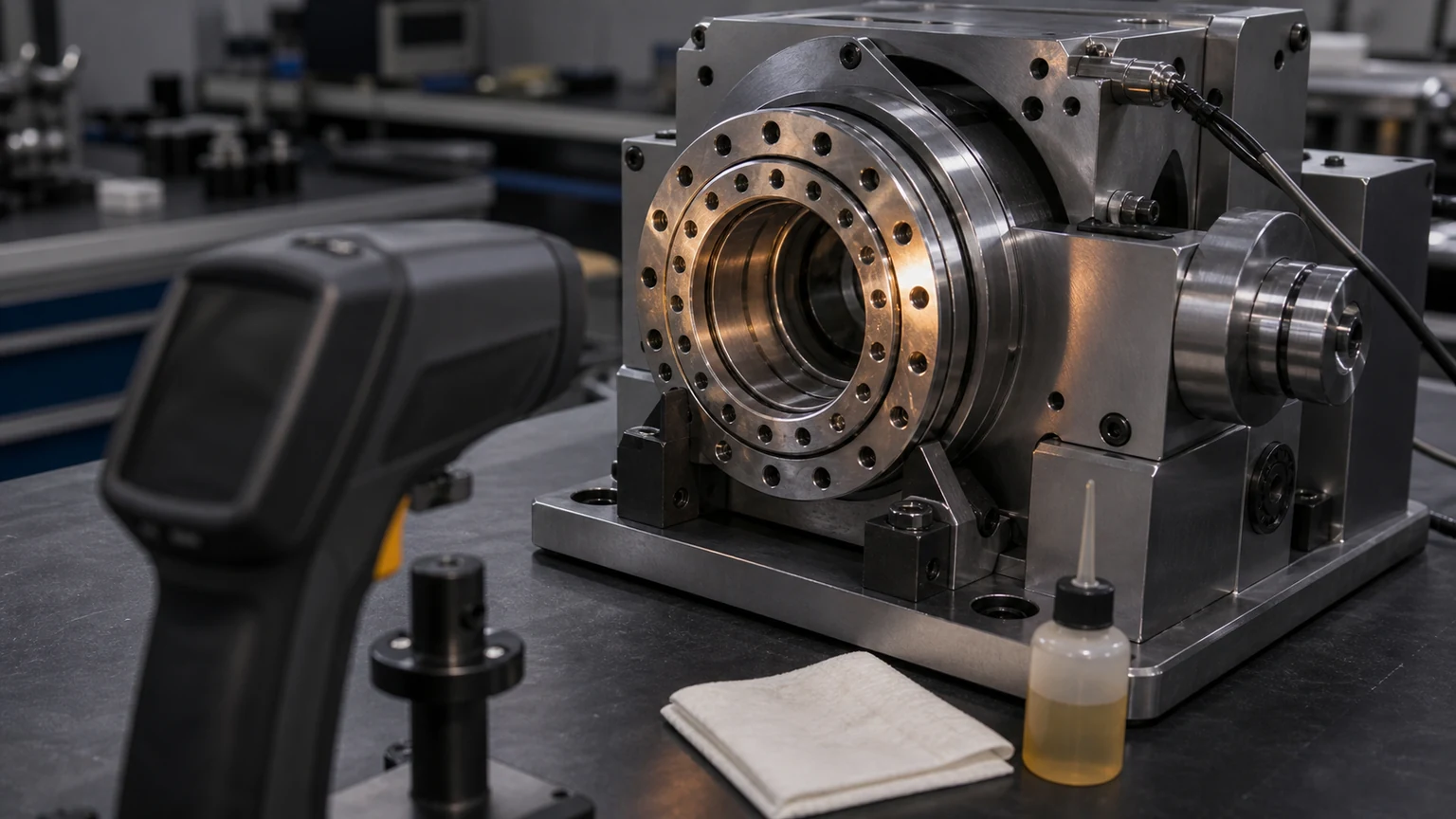
What to Send TFL Bearings
A support request becomes useful for quotation only when the technical evidence and purchasing scope arrive together.
Engineering Decision Layer
TFL Bearings reviews preload and lubrication evidence by checking whether torque, heat, stiffness, and service conditions point to product selection, replacement review, or quotation.
Clearance, preload class, starting torque, running torque, and suffix evidence
Can change stiffness, heat, rotation feel, and model route.
Housing fit, shaft fit, clamping, seating face, and bolt sequence
Mounting distortion may look like bearing preload or lubrication trouble.
Grease or oil type, fill amount, contamination, interval, temperature, and access
Can change service life, torque, noise, heat, and inspection request.
Speed, oscillation, load direction, duty cycle, environment, and maintenance access
Defines whether the RFQ needs standard, precision, replacement, or support review.
Application Fit Notes
TFL Bearings reviews the support topic against the machine condition before treating the request as quote-ready.
RFQ Process Depth Layer
The support review path separates reference evidence from quotation evidence before pricing or timing discussion.
Evidence intake
TFL Bearings checks the submitted model evidence, drawing, dimensions, application condition, quantity, timing, sourcing goal, and open technical question.
Engineering screening
Load direction, mounting interface, preload, lubrication, rigidity, speed, heat, replacement route, and document scope are reviewed before quotation follow-up.
RFQ route decision
The request is routed to product review, replacement review, missing-evidence follow-up, BOM consolidation, or quotation after the support evidence is validated.
Practical RFQ Checklist
Prepare preload and lubrication details as evidence TFL Bearings can validate before quotation.
Send Preload Details for Review- Model, suffix, drawing, old marking, or sample photo tied to preload or clearance evidence.
- Bore, OD, width, mounting interface, seating face, and housing or shaft fit notes.
- Preload class, clearance state, starting torque, running torque, or rotation feel observations.
- Grease or oil type, fill amount, lubrication interval, temperature, contamination, and service access.
- Application, load direction, speed, duty cycle, environment, quantity, and timing.
- The exact preload or lubrication question blocking product review or quotation.
Preload and Lubrication Review Paths
Use these review paths to connect provided evidence with the next sourcing, application, replacement, or RFQ action.
Installation evidence review
Check mounting influence before treating preload as isolated.
Review optionProblem evidence review
Route heat, noise, rough motion, or short-life evidence.
Review optionProduct family review
Connect preload and lubrication needs to product selection.
Review optionRFQ evidence intake
Send preload and lubrication details for review.
Review optionFAQ
Yes. TFL Bearings can review preload or clearance evidence when model, suffix, dimensions, mounting, application, quantity, and timing are provided.
Send grease or oil type, fill condition, interval, contamination evidence, temperature, speed, duty cycle, application, and quantity.
No. TFL Bearings still needs model evidence, measured dimensions, mounting interface, application duty, and RFQ scope before fit or quotation review.
Include starting torque, running torque, heat, noise, rough motion, looseness, lubricant condition, installation evidence, and service timing.