
Cross Roller Bearing Problems
Noise, heat, looseness, rough rotation, or premature wear should be reviewed with installation, lubrication, mounting, application, replacement evidence, sourcing urgency, and document needs.
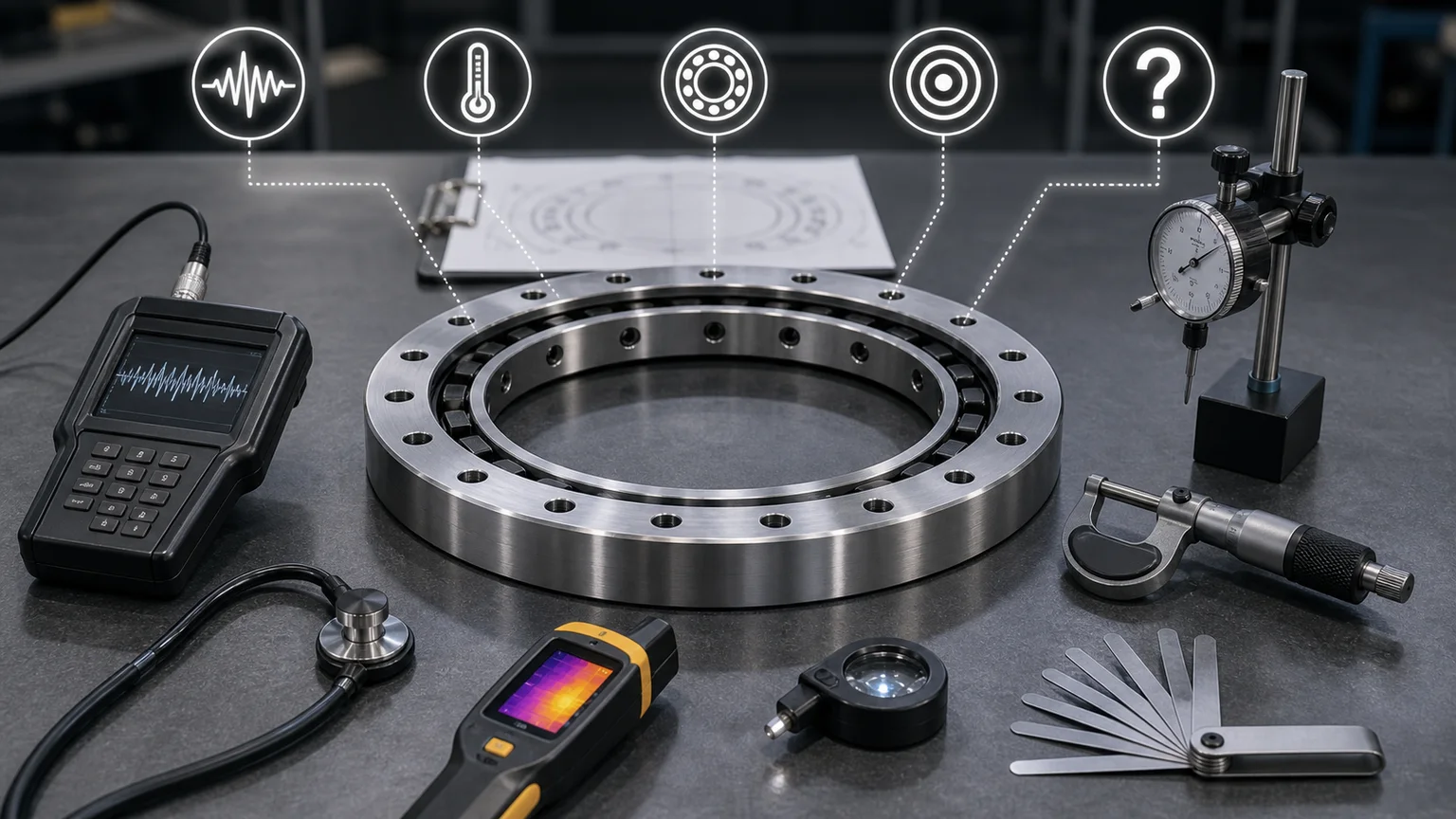
Symptom Routing Table
Route the symptom before ordering a replacement or asking TFL Bearings to review short-lead supply options.
Noise or rough rotation
Video, operating condition, lubrication note, installation step.
Review optionHeat or torque increase
Speed, load, preload context, grease condition.
Review optionLooseness or runout concern
Mounting face, bolt pattern, measurement method.
Review optionReplacement uncertainty
Old code, photos, dimensions, machine position.
Review optionRFQ after failure
Old unit evidence, quantity, urgency context, destination, document needs.
Review optionProblem Diagnosis Decision Table
A symptom request should show what changed, when it changed, and what evidence supports the next step.
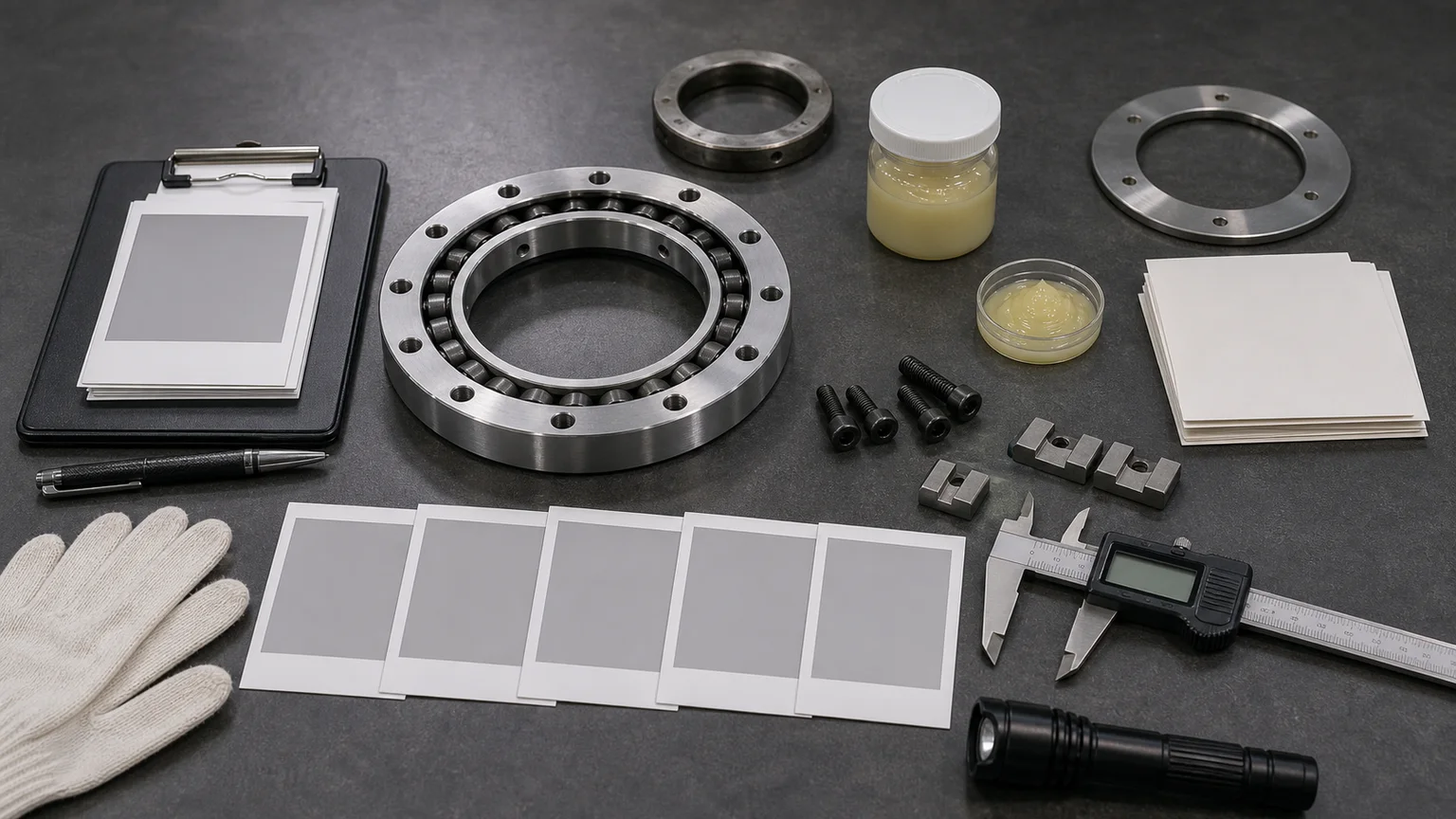
Troubleshooting Evidence Checklist
A useful problem request explains what changed, when it changed, and what evidence is available.
Problem Review Workflow
TFL Bearings keeps problem review connected to evidence, route screening, and RFQ action when replacement or supply is required.
Symptom evidence intake
TFL Bearings reviews symptom description, photos or video, installation context, lubrication, application, and timing.
Cause and route screening
The request is separated into troubleshooting, quality review, replacement validation, product review, or RFQ action.
RFQ or support decision
If replacement or supply is needed, the request moves forward with model evidence, dimensions, quantity, application context, sourcing timing, and document needs.
Problem Evidence for RFQ Review
A useful problem request includes symptom evidence plus the technical context needed to decide whether replacement, quality review, or product review is the next step.
Send Problem Evidence- Symptom description with photos or video when available.
- When the symptom started: before installation, after installation, or after operation.
- Model, marking, dimensions, and old bearing evidence.
- Mounting interface, preload or clearance notes, lubrication, and environment.
- Application, load direction, speed, duty cycle, and machine position.
- Replacement quantity, urgency, and contact details.
FAQ
No. Noise can involve preload, lubrication, contamination, mounting flatness, housing accuracy, fastening, or handling. Send evidence before treating it as a bearing defect.
Yes. Send old markings, photos, dimensions, machine position, application details, and quantity before replacement review.
If the cause is unclear, send symptom evidence first so the request can be routed to troubleshooting, replacement, quality, or RFQ review.